Medicare Chiropractic and Acupuncture Coverage in NC
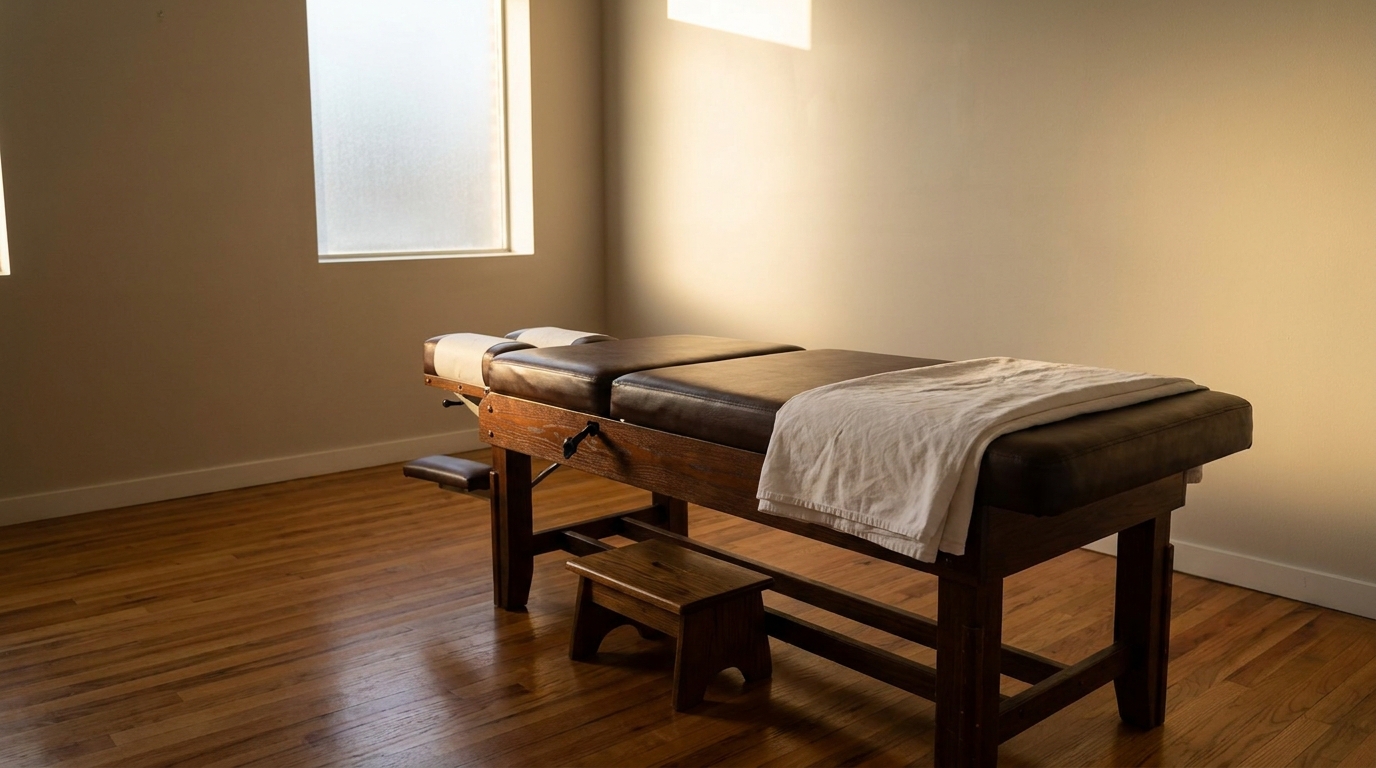
If you are on Original Medicare in North Carolina and you are considering chiropractic care or acupuncture, the coverage is real, and it is also narrow. Part B covers chiropractic spinal adjustments to correct a subluxation (when the spinal joints fail to move properly, but the contact between the joints remains intact) when the chiropractor uses their hands or a device called an activator. [1] Part B also covers acupuncture, including dry needling, only for chronic low back pain that meets the Centers for Medicare & Medicaid Services (CMS) definition, and only up to the visit limits on Medicare.gov. [2] Original Medicare does not pay for routine chiropractic maintenance, for most extras a chiropractor might order (including X-rays and massage), or for acupuncture used for other conditions. [1][3][4]
Those federal Part B rules apply the same way in Greensboro and across the Piedmont as they do anywhere else in the country. What changes from person to person is how you get Medicare, whether your provider accepts assignment, and whether a visit is still considered active treatment.
What Original Medicare covers for chiropractic care
Medicare Part B covers only certain chiropractic services. The covered service is an adjustment of the spine by a chiropractor to correct a subluxation, done with the hands or with an activator. You pay 20% of the Medicare-approved amount, and the Part B deductible applies. [1][7]
A subluxation, in Medicare's wording, is not a broken bone and not a dislocated joint. It is the situation in which spinal joints fail to move properly while the contact between the joints remains intact. [1] CMS tells chiropractors that the patient must have a significant neuromusculoskeletal problem that needs treatment, that the manipulation must be directly related to that condition, and that there must be a reasonable expectation of recovery or improved function. The subluxation has to be shown by a physical exam or by X-ray. [4]
CMS describes two common patterns. An acute subluxation is a new injury identified by exam or X-ray, and the expectation is that manipulation will improve the condition or stop it from getting worse. A chronic subluxation is not expected to resolve the way a new injury might, but continued therapy can still be expected to produce some functional improvement. [4] Coverage is about that active, corrective work. It is not a standing wellness membership.
Medicare.gov does not publish an annual cap on the number of covered chiropractic visits. Coverage turns on medical necessity and on whether the visit is still corrective. If a clinic quotes a fixed "Medicare allows 12 visits" figure for chiropractic care, ask where that number comes from. The live chiropractic coverage page does not state it. [1]
Chiropractic manipulation is also not the same benefit as outpatient physical therapy. If you are comparing a therapy plan of care with a chiropractic plan of care, those are different Part B services with different rules. We have a separate guide to Medicare outpatient physical therapy in North Carolina for that benefit.
What chiropractic visits Medicare does not pay for
The gap that surprises families is how little of a typical chiropractic office visit Original Medicare pays. Medicare does not cover other services or tests a chiropractor orders, including X-rays, massage therapy, and acupuncture. [1] An adjustment to correct a subluxation can be a Part B service. The extras that often appear on the same bill usually are not.
CMS limits chiropractic coverage to treatment of the spine with manual manipulation to correct a subluxation. [4] An X-ray is not required to demonstrate the subluxation. The chiropractor may document it with a physical exam using P.A.R.T. findings (pain or tenderness, asymmetry or misalignment, range-of-motion abnormality, and tissue tone, texture, or temperature changes). CMS asks for at least two of those four criteria, and one of them must be asymmetry/misalignment or range-of-motion abnormality. [4] If the chiropractor still orders imaging, Medicare.gov says Medicare does not cover those tests when the chiropractor orders them. [1]
Maintenance care is the other bright line. Once the clinical status for a given condition has stabilized, and further objective clinical improvement is not expected, additional manipulative treatment is maintenance therapy, and CMS does not cover payment. [4] Medicare may help while the chiropractor is still working to correct a problem and improvement is reasonably expected. When the visits become a way to stay where you are, or to prevent a future flare, Original Medicare treats that as maintenance and does not pay.
Massage sits outside the chiropractic benefit as well. Original Medicare does not cover massage therapy. You pay all costs for that service. [5][9] None of this means a North Carolina chiropractor is doing something improper by offering extras. It means the bill and the Medicare benefit are not the same thing. Ask, before the first visit, which line items they expect Medicare to pay and which they will bill you for.
Acupuncture for chronic low back pain, and only that
Medicare Part B covers acupuncture, including dry needling, only for chronic low back pain. [2] That is not a drafting quirk. CMS's National Coverage Determination (NCD) 30.3.3 says all types of acupuncture, including dry needling, for any condition other than chronic lower back pain are nationally non-covered. [3] Neck pain, knee arthritis, headache, neuropathy, and general "wellness" acupuncture are outside Original Medicare, even if a clinician recommends them and even if you have found them helpful in the past.
For Medicare, chronic low back pain means all of the following:
- The pain has lasted 12 weeks or longer.
- It has no known cause. Medicare.gov's examples are that it is not related to cancer that has spread, or to an inflammatory or infectious disease.
- The pain is not associated with surgery or pregnancy. [2][3]
If your back pain has a specific systemic cause, or it started after surgery, acupuncture is not the Part B benefit for that diagnosis. Other covered care may still be available. Acupuncture under this NCD is not.
The visit limits are on the live Medicare.gov acupuncture page, and they match the NCD. Medicare covers up to 12 acupuncture treatments in 90 days for chronic low back pain. If you show improvement, Medicare covers an additional 8 sessions, for a maximum of 20 acupuncture treatments in a 12-month period. If you are not showing improvement, Medicare will not cover additional treatments, and you pay 100% of the costs if you continue. [2] The NCD adds that treatment must be discontinued if the patient is not improving or is regressing, and that no more than 20 acupuncture treatments may be administered annually. [3] Medicare & You 2026 repeats those same limits and states that the Part B deductible and coinsurance apply. [7]
The National Center for Complementary and Integrative Health describes acupuncture as a technique in which practitioners insert fine needles into the skin, sometimes with manual manipulation and sometimes with electrical stimulation. [8] That is the clinical picture. The insurance picture is the narrower one above.
Who may furnish Medicare-covered acupuncture
Not every licensed acupuncturist can bill Medicare, and this is the other surprise families run into. Medicare.gov says not all providers can give acupuncture, and Medicare cannot pay licensed acupuncturists directly for their services. [2] Medicare & You 2026 says the same thing. [7]
The NCD is more specific about who may furnish the service:
- Physicians (as Medicare defines that term) may furnish acupuncture in accordance with applicable state requirements. [3]
- Physician assistants, nurse practitioners, clinical nurse specialists, and auxiliary personnel may furnish acupuncture if they meet all applicable state requirements and have both a master's or doctoral level degree in acupuncture or Oriental Medicine from a school accredited by the Accreditation Commission for Acupuncture and Herbal Medicine (formerly ACAOM), and a current, full, active, and unrestricted license to practice acupuncture in the state, territory, or District of Columbia where you get care. [2][3]
- Auxiliary personnel furnishing acupuncture must be under the appropriate level of supervision of a physician, physician assistant, or nurse practitioner/clinical nurse specialist. [3]
Medicare.gov's consumer page tells you to get acupuncture from a doctor or another health care provider (it names nurse practitioners and physician assistants) who holds both the accredited degree and the unrestricted state license. [2] For a North Carolina family, the practical checklist is simple. Confirm that the person placing the needles is a Medicare-enrolled provider who meets CMS's furnishing rules, that Medicare can actually be billed for the visit, and that a licensed acupuncturist working independently is not assuming Medicare will pay them directly. It will not. [2][7] If a clinic says "we take Medicare" for acupuncture, ask whether they bill Medicare for the acupuncture itself under these rules, or whether they mean a cash package, a chiropractic claim, or an Advantage extra.
What you pay under Part B in 2026
For both covered chiropractic adjustments and covered acupuncture for chronic low back pain, the cost structure is the standard Part B pattern. After you meet the Part B deductible, you pay 20% of the Medicare-approved amount. [1][2]
In 2026, the yearly Part B deductible is $283. CMS set that figure in its premiums announcement, and Medicare.gov states that you pay $283 once each year before Original Medicare starts to pay. [6][10] After the deductible, you usually pay 20% of the Medicare-approved amount when the provider accepts assignment. [6][7]
What you owe still depends on other insurance you may have, how much the provider charges, whether the provider accepts assignment, the type of facility, and where you get the service. [1][2] Original Medicare has no yearly cap on what you pay out of pocket unless you have something else in place, such as a Medigap policy, Medicaid, or employer or union coverage. [6][7]
The 20% coinsurance applies to the covered service, not to extras Medicare does not cover. Non-covered massage, X-rays a chiropractor orders, and acupuncture past the visit limit or for a different diagnosis are typically your full cost. [1][5] If acupuncture continues after you are not improving, Medicare.gov says you pay 100% of those additional treatments. [2] A Medigap policy may help with the Part B deductible and coinsurance for services Original Medicare already covers. It does not turn a non-covered extra into a covered service.
Ask the office whether they accept Medicare assignment and whether they will give you an Advance Beneficiary Notice if they expect Medicare to deny a visit.
How Medicare Advantage can differ
If you have a Medicare Advantage plan instead of Original Medicare, the plan must cover the medically necessary Part B services Original Medicare covers, including the spinal adjustment benefit and acupuncture for chronic low back pain that meets the NCD. The plan can use its own network, prior authorization, copays, and referral rules. Your share of cost is the plan's copay or coinsurance, not automatically the Original Medicare 20%.
Advantage plans may also offer extra benefits that Original Medicare does not cover, such as certain vision, hearing, and dental services. [5][9] Medicare & You 2026 notes that most plans offer extra benefits Original Medicare does not cover, like vision, hearing, dental, and more. [7] Extra chiropractic visits, massage, or acupuncture for other conditions are not guaranteed. They are plan-specific, if they are offered at all.
Read the Evidence of Coverage for the plan you have (or the plan you are comparing during Open Enrollment). Confirm whether acupuncture has a visit limit of its own, whether the chiropractor and acupuncturist must be in network, and whether any extra visits are a supplemental benefit with a cap. If you want help comparing those MAPD designs next to Original Medicare plus Medigap, our Medicare Advantage (MAPD) page explains how we work through networks, copays, and extras with families in Greensboro and the Triad.
Questions worth asking before you start
A phone call the day before will tell you more than a brochure. Ask whether the office is billing Medicare only for spinal manipulation to correct a subluxation (hands or activator), and which extras on the visit (X-ray, massage, stimulation) they expect you to pay. [1] Ask how they will show the care is still corrective rather than maintenance. [4] For acupuncture, confirm the diagnosis is nonspecific chronic low back pain lasting 12 weeks or longer, how many of the 12 visits in 90 days you have used, who is furnishing the treatment, and whether Medicare can be billed for that person. [2][3] Ask whether the provider accepts assignment, and what you will pay after the 2026 Part B deductible of $283. [6] If you have Advantage, ask whether the provider is in network and whether prior authorization is required.
Bring a short history of the back problem (when it started, what you have already tried, whether there was surgery). That history is what CMS uses to tell chronic low back pain that may qualify for acupuncture from pain that does not. [3] This is a coverage map, not medical advice, so you and your family can walk into the appointment with the same facts Medicare publishes.
Practical takeaways
- Original Medicare Part B covers chiropractic spinal adjustments to correct a subluxation, done by hand or with an activator. It does not cover the rest of a typical chiropractic visit, including X-rays, massage, and acupuncture the chiropractor orders. [1]
- Once chiropractic care is only maintaining a stable condition, CMS treats further manipulation as maintenance therapy and does not pay. [4]
- Part B covers acupuncture (including dry needling) only for chronic low back pain as CMS defines it: 12 weeks or longer, no known systemic cause, and not associated with surgery or pregnancy. [2][3]
- The acupuncture visit limits on Medicare.gov are 12 treatments in 90 days, plus 8 more if you improve, for a maximum of 20 treatments in a 12-month period. If you are not improving, additional treatments are not covered. [2]
- Medicare cannot pay licensed acupuncturists directly. Confirm that a physician or other qualifying, supervised clinician is furnishing the service under CMS rules. [2][3]
- In 2026, the Part B deductible is $283. After you meet it, you usually pay 20% of the Medicare-approved amount for these covered services when the provider accepts assignment. [6][10]
- Medicare Advantage plans must cover the same basic Part B services and may add extras. Check the plan documents rather than assuming massage or extra visits are included. [5][7]
- These are federal Medicare rules. They apply in North Carolina the same way they apply elsewhere.
How we can help
Have more questions or want to get in touch? We help families in Greensboro and across the Piedmont read these Part B rules next to the coverage they already have, whether that is Original Medicare, a Medigap policy, or a Medicare Advantage plan. Call Seniors Insurance Hub at (336) 937-7501, or visit https://thesih.com/contact/ to request a no-pressure conversation.
Citations
- Medicare.gov, "Chiropractic services" (2026)
- Medicare.gov, "Acupuncture" (2026)
- Centers for Medicare & Medicaid Services, "NCD 30.3.3 Acupuncture for Chronic Lower Back Pain (cLBP)" (effective 2020-01-21; coding updates through 2024)
- Centers for Medicare & Medicaid Services, Medicare Learning Network, "Chiropractic Services" (page last modified 2026-02-11)
- Medicare.gov, "Massage therapy" (2026)
- Medicare.gov, "Costs" (2026 Part B deductible and coinsurance)
- Medicare.gov, "Medicare & You 2026" (2026)
- National Center for Complementary and Integrative Health, "Acupuncture: Effectiveness and Safety" (last updated 2022-10)
- Medicare.gov, "What's not covered?" (2026)
- Centers for Medicare & Medicaid Services, "2026 Medicare Parts A & B Premiums and Deductibles" (2025-11-14)