
Medicare stair lift: not covered by Original Medicare
Original Medicare does not pay for a stair lift, grab bars, or a ramp built onto the house. A patient lift for bed transfers can be covered if the person would otherwise be confined to a bed.
Independent Medicare Advisory
Original Medicare does not pay for a stair lift, grab bars, or a ramp built onto the house. A patient lift for bed transfers can be covered if the person would otherwise be confined to a bed.

Original Medicare Part B covers cardiac rehabilitation if you have at least one condition on Medicare's list, such as a heart attack in the last 12 months, a stent, or bypass. In 2026 the Part B deductible is $283, and you then pay 20% of the Medicare-approved amount in a doctor's office.

The Medicare hold harmless rule can reduce a year's Part B premium so the increase does not lower your net Social Security payment. It does not apply if you are new to Part B, do not get Social Security, are billed directly, have Medicaid paying the premium, or pay an income-related amount.

Original Medicare can help pay for a medically necessary hip or knee replacement, but it does not cover the whole bill. A formal admission decides whether the hospital stay falls under Part A or stays outpatient under Part B, and 2026 deductibles plus the usual 20% can still apply.

When one spouse starts Medicare, that enrollment does not add the younger spouse, and no federal rule drops the younger spouse from the employer plan. If the older spouse retires or leaves the job plan, the younger spouse's coverage depends on that plan's terms.

New HSA contributions must stop the month Medicare enrollment begins, including any retroactive months. A spouse who is not enrolled can still fund a separate account.

A Medicare Part D formulary exception asks the plan to cover a Part D drug that is not on the list, or to set aside a rule such as step therapy. After the prescriber's statement, the plan has 72 hours, or 24 hours if fast, and that statement is not an automatic yes.

Most people pay nothing for the Medicare Part A premium in 2026 if they or a spouse have at least 40 quarters of covered work. Shorter records that buy Part A pay $311 or $565 a month in 2026, and they must sign up for Part B too.

An adult child can be a Medicare authorized representative so Medicare can share a parent's information. Form CMS-10106 is that permission, and Form CMS-1696 is the separate appointment to act on a claim, appeal, or grievance.

A provider may give you Form CMS-R-131, a Medicare Advance Beneficiary Notice, before a service Original Medicare may not pay for. The form lists the service, the reason, and a cost estimate, and you choose one of three options.

Original Medicare covers chemotherapy and radiation. Part A pays when the person is a hospital inpatient, and Part B pays when care is outpatient.

A Medicare Summary Notice shows what was billed, what Medicare paid, and what you may owe. It is not a bill, so compare it with any provider bill before anyone pays.
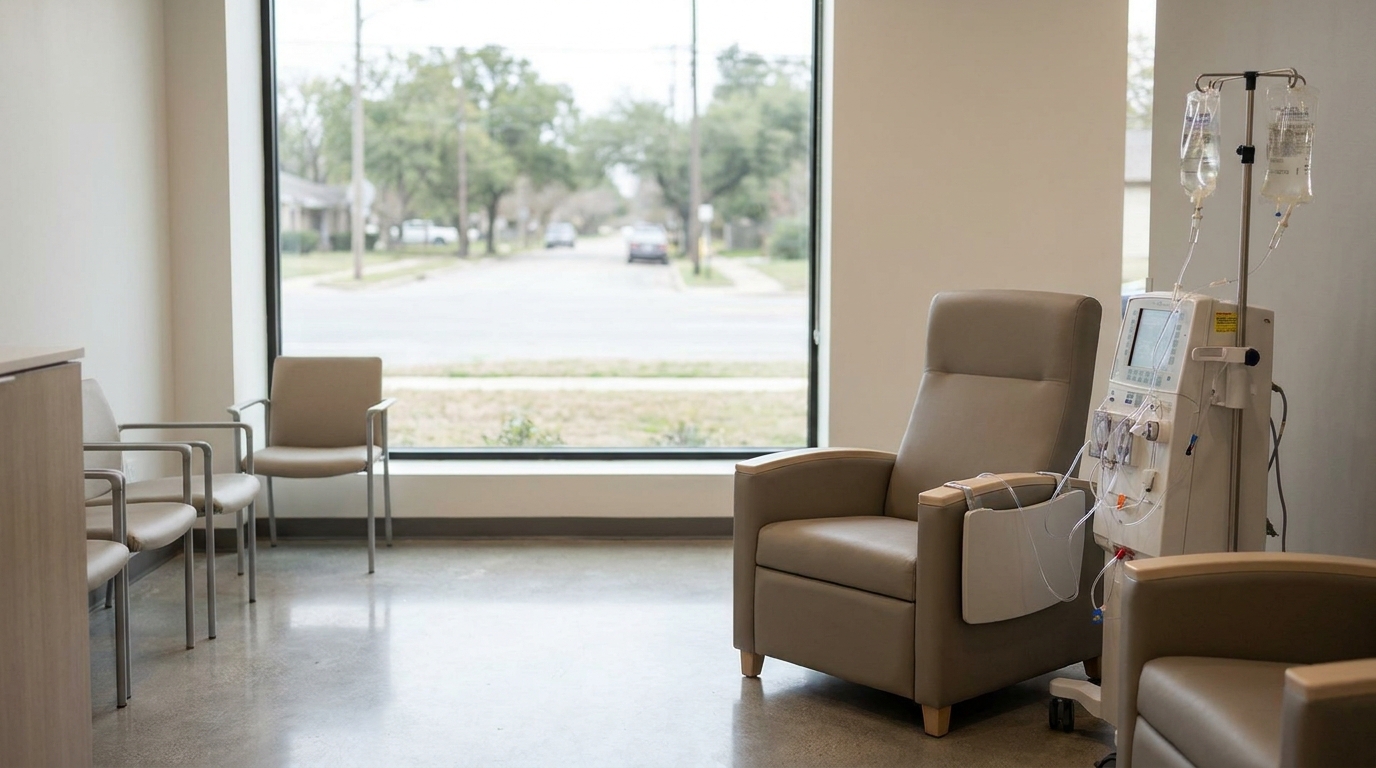
Original Medicare pays Part A for inpatient hospital dialysis and Part B for outpatient or home dialysis. Coverage usually starts on the first day of the fourth month of treatment.

North Carolina does not have a yearly Medigap birthday rule. After the one-time enrollment window, you can still apply, but a company can use medical underwriting.

Original Medicare Part B covers chiropractic spinal adjustments to correct a subluxation, and acupuncture only for chronic low back pain, with visit limits. In 2026 you pay 20% after the $283 Part B deductible; extras such as X-rays, massage, and maintenance visits are not covered.

If you have Medicare and retiree coverage from a former employer, Medicare generally pays first and the retiree plan pays second. Retiree coverage is not based on current work, so delaying Part B can leave bills unpaid, and the eight-month special enrollment period does not restart when that coverage later ends.

Medicare covers meters, test strips, CGMs, and traditional insulin pumps as Part B durable medical equipment. Injectable insulin, disposable patch pumps, and syringes usually go through Part D.

Original Medicare Part B covers medically necessary cataract surgery with a conventional intraocular lens, plus one pair of eyeglasses with standard frames after each of those surgeries. After the 2026 Part B deductible of $283, you typically pay 20% of the Medicare-approved amount.

A North Carolina company may price Medigap as community-rated, issue-age-rated, or attained-age-rated. The rating method does not change plan-letter benefits, but it does change whether the premium is tied to your age.

Medicare Advantage star ratings are yearly CMS scores, from 1 to 5 stars, for the quality of health and drug services in a plan. A higher score is a quality signal, not a grade for your doctor or proof that your prescriptions are on the drug list.

A veteran in North Carolina can keep Medicare and VA benefits at the same time. Enrolling in one does not cancel the other, and you choose which program to use for each visit.

COBRA keeps a group health plan for a limited time after a job ends, but it does not restart or extend the Medicare Part B special enrollment period. That period runs up to 8 months from the end of current employment or job-based coverage, whichever happens first.

An HMO generally requires in-network care and a specialist referral, except for emergency care, out-of-area urgent care, and temporary out-of-area dialysis. A PPO covers out-of-network care for covered services, usually at a higher cost, and does not require a referral.

Medicare Plan Finder annual enrollment means comparing next year's Medicare Advantage and drug plans at Medicare.gov/plan-compare, then choosing to join, switch, drop, or keep a plan. The window runs October 15 through December 7, and new coverage starts January 1.

Medicare splits adult vaccines between Part B and Part D, and North Carolina follows those federal rules. You pay nothing for flu, COVID-19, pneumococcal, and eligible hepatitis B if the provider accepts assignment, and nothing for shingles, RSV, and Tdap if you have Part D.

Medicare outpatient physical therapy coverage is a Part B benefit when the care is medically necessary, and the same terms cover occupational therapy and speech-language pathology. After the 2026 Part B deductible of $283, you pay 20% of the Medicare-approved amount, and Medicare does not cap yearly payment for necessary outpatient therapy.

Medicare TRICARE for Life is wraparound coverage for TRICARE-eligible people who have Part A and Part B. Medicare pays first when you are not on active duty, TFL pays second, and skipping or dropping Part B ends TFL.

In 2026, a one-month supply of each covered insulin under Medicare costs no more than $35, and the deductible does not apply. The cap is per product, not a combined monthly limit.

Original Medicare Part B can cover medically necessary ambulance rides when other travel would endanger your health. After the 2026 $283 deductible, you generally pay 20% of the Medicare-approved amount.

In 2026, Original Medicare Part A starts a covered inpatient stay after a $1,736 deductible per benefit period. You pay $0 a day through day 60, then daily coinsurance if the stay lasts longer.

If you receive SSDI, Medicare Part A and Part B usually start after 24 months of those benefits, even before age 65. ALS skips the wait, and ESRD follows dialysis or transplant dates.

If you already have a Medicare Advantage plan, you can make one change from January 1 through March 31: switch to another Advantage plan, or drop Advantage, return to Original Medicare, and join a separate drug plan if you need one.

Original Medicare Part A can pay for a short skilled nursing facility stay after a qualifying hospital admission, up to 100 days per benefit period. In 2026 you pay $0 for days 1-20 after the Part A deductible, $217 a day for days 21-100, and all costs after day 100.

The Medicare Part D late enrollment penalty is a monthly extra charge if you go 63 days or more without Medicare drug coverage or other creditable coverage after your first enrollment window. North Carolina seniors can avoid it by joining a drug plan on time or keeping creditable coverage from work, VA, or TRICARE.

Medicare coverage when traveling depends on where you go and how you get Medicare. Original Medicare works at any U.S. provider that takes Medicare, Advantage covers emergencies nationwide, and Original Medicare generally does not pay abroad.

Medicare hospice coverage is a Part A benefit that applies the same way in North Carolina as in every other state. Covered hospice care from an approved provider costs $0, with possible copays of up to $5 per outpatient comfort-drug prescription and 5% for inpatient respite.

Final expense life insurance in North Carolina is usually a small permanent burial policy that pays a cash death benefit to a named beneficiary. Medicare does not cover funeral or burial bills, and Social Security may pay a $255 lump-sum death payment to a qualifying survivor.

Original Medicare covers outpatient counseling and psychiatry under Part B and inpatient hospital mental health care under Part A. After the 2026 Part B deductible of $283, you usually pay 20% of the Medicare-approved amount for those visits.

Original Medicare still covers many telehealth visits from home through December 31, 2027, including urban North Carolina. After the 2026 Part B deductible of $283, you generally pay 20%, the same as in person for most visits.

Original Medicare Part B covers medically necessary durable medical equipment for home use when you use an enrolled supplier. After the 2026 Part B deductible of $283, you generally pay 20% of the Medicare-approved amount if the supplier accepts assignment.

The Medicare Part B late enrollment penalty is a 10% add-on to your monthly premium for each full 12-month period you delayed Part B, and it usually lasts as long as you have Part B. North Carolina seniors generally avoid it by enrolling during the Initial Enrollment Period or a job-based Special Enrollment Period.

Still working at 65 in North Carolina? You can often delay Part B while you keep qualifying employer coverage, then use an 8-month Special Enrollment Period after the job or plan ends.

Learn how Medigap medical underwriting works in North Carolina, when health questions apply, lookback periods, and how NC seniors can prepare.

Complete 2026 Medicare Initial Enrollment Period (IEP) guide for North Carolina seniors turning 65. Includes 7-month timeline, penalties, and checklist.

Learn how the 2026 Medicare Prescription Payment Plan helps North Carolina seniors spread out-of-pocket prescription drug copays into capped monthly payments.

Moving, retiring, or losing employer coverage can open a Medicare Special Enrollment Period. Here is how SEPs work for North Carolina seniors in 2026, including qualifying life events, exact timelines, and how they affect Medicare Advantage, Part D, and Medigap.

Discover how North Carolina seniors can qualify for Medicare Extra Help and Medicare Savings Programs (QMB, SLMB, QI) in 2026 to pay for Medicare Part B premiums, drug copays, and out-of-pocket costs.
Compare Medicare Advantage vs Original Medicare in North Carolina for 2026. Learn the key differences in costs, provider networks, prescription drug coverage, and out-of-pocket spending limits.

An essential guide for North Carolina retirees explaining Medigap guaranteed issue rights, qualifying life events, NC state protections under G.S. 58-54-45, and how to switch plans.

An essential guide for North Carolina retirees explaining how Medicare Part B excess charges occur, state billing rules, and how Medigap Plan G eliminates unexpected doctor fees.

A comprehensive, easy-to-understand guide for North Carolina seniors explaining Medicare trial period rights, guaranteed issue protections, and how to safely return to Medigap without medical underwriting.

Learn how the 2026 $2,000 annual Medicare Part D out-of-pocket prescription drug cap and the Medicare Prescription Payment Plan protect North Carolina seniors from high medication costs.

Compare Medicare Supplement Plan G vs Plan N in 2026. Discover out-of-pocket costs, copays, premiums, and how North Carolina seniors can pick the right Medigap policy.